

Smart Light, also known as connected or intelligent lighting, have gained immense popularity in recent years due to their ability to change color, adjust brightness, and be controlled remotely through a smartphone, tablet, or voice assistant. In this article, we will delve into the workings of Smart Lights.
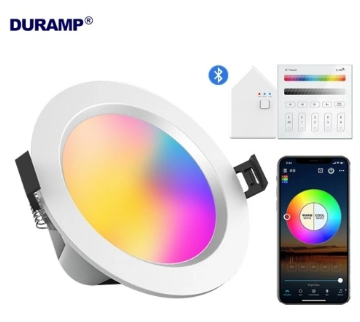
The Basics
Smart lights, unlike traditional bulbs, are equipped with Wi-Fi or Bluetooth capabilities, allowing them to communicate with other devices in your home. This connectivity enables you to control the lights from your phone or voice commands using a virtual assistant such as Google Assistant or Amazon Alexa.
Smart lights can be dimmed, changed to different colors, and programmed to perform specific actions, such as turning off automatically when you leave the room or turning on at sunset.
Smart Lighting Components
Smart lighting systems include three primary components: bulbs, a central hub, and a mobile app. The bulbs are the light source and come in a variety of sizes and shapes mimicking traditional bulbs. The central hub serves as the bridge between the bulbs and your mobile devices, controlling the operation of the bulbs. The mobile app is the interface that allows you to control the bulbs and any other connected smart devices in your home.
How It Works
After plugging in the hub and syncing it with your Wi-Fi or Bluetooth, you can download the manufacturer's app and start adding the bulbs to your smart lighting system. The app will guide you through the process of setting up the bulbs, including naming them and assigning them to particular rooms. You can then use the app to control the lights in each room, choosing the color and brightness of every bulb.
Advanced Features
Smart lights also feature advanced capabilities that traditional bulbs lack. For instance, some models have built-in motion sensors or integrated speakers, enabling you to play music, news, or podcasts through the bulb. Others feature geofencing, allowing you to set up an area around your home and automate actions such as turning on the porch light when you arrive or turning off lights that you forgot to switch off when you leave your home.
Conclusion
Smart lights are energy-efficient, easy to use, and full of convenient features that make them an essential part of a modern home. With their Wi-Fi or Bluetooth capabilities, you can control your lighting fixtures from your smartphone, tablet, or voice assistant, creating an entirely new level of convenience and flexibility in your lighting options. The possibilities are endless with smart lights, and their popularity is only set to grow in the coming years.