

Solar LED Street Lights use photovoltaic panels to convert sunlight into electrical energy, which is then stored in batteries and used to power the light at night. Many solar street lights come with a light-controlled switch which controls when the light turns on and off. In this article, we will discuss how to adjust the light-controlled switch of a solar street light.
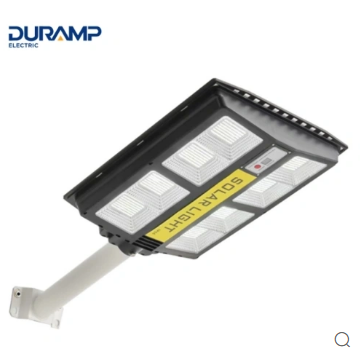
Step 1: Determine the Appropriate Timing
The light-controlled switch is designed to turn on the lights when ambient light levels drop below a certain threshold. Therefore, it is important to determine the appropriate timing for the switch based on the amount of daylight your location receives. Many solar street light manufacturers set the timing to turn on the lights when the ambient light levels drop to a certain percentage, usually between 30%-50%. However, this value can be adjusted based on your specific needs.
Step 2: Locate the Light-Controlled Switch
The light-controlled switch is usually located on the underside of the solar street light. It may be labeled "ON/OFF" or "DUSK-TO-DAWN". Once located, use a screwdriver to remove any screws that are holding the switch cover in place.
Step 3: Adjust the Light-Controlled Switch
The light-controlled switch usually has two small dials that are used to adjust the sensitivity and timing of the switch. The sensitivity dial adjusts the threshold of ambient lighting required to turn on the light. The timing dial adjusts the length of time the light remains on after it has been triggered.
To adjust the switch, use a small screwdriver to turn the dials in the desired direction. The sensitivity dial should be turned clockwise to increase the threshold of ambient lighting required to turn on the light. Conversely, it should be turned counterclockwise to decrease the threshold. The timing dial should be turned clockwise to increase the length of time the light remains on, and counterclockwise to decrease it.
Step 4: Test the Light
After making the necessary adjustments, replace the switch cover and secure it with any screws. Allow the solar street light to charge for a day or two before testing the light-controlled switch. To test the switch, simply cover the solar panel with your hand or an object to simulate darkness. The light should turn on after a few seconds if the switch is properly adjusted.
In conclusion, adjusting the light-controlled switch of a solar street light is a simple process that can be done by anyone. The key is to determine the appropriate sensitivity and timing based on your location's lighting conditions, and to make the necessary adjustments accordingly. By doing so, you can ensure that your solar street light provides the right amount of illumination at the right time, saving energy and extending battery life.